

Initiatives
Priority Initiatives

Dr. Liane Feldman
The Future of Cancer Surgery ($22M)
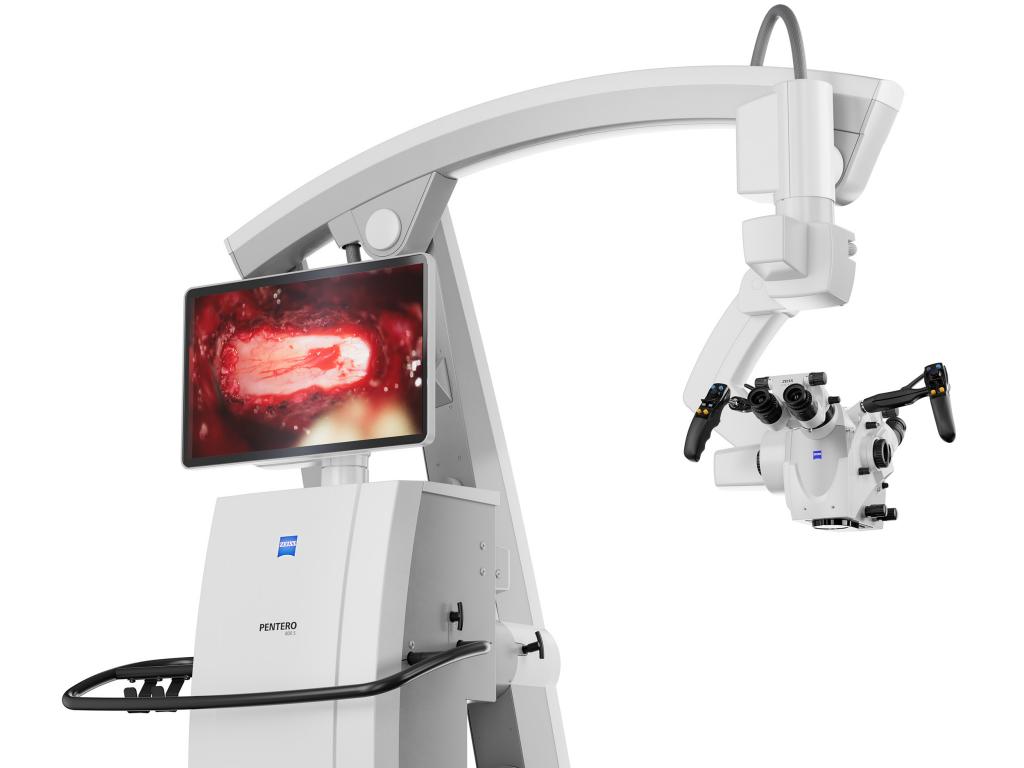
Surgery, while hugely effective in treating many cancers, still has a huge cost to the patient and to society due to the invasive and injurious nature of many surgical interventions. Dr. Liane Feldman wants to use AI to integrate 3-D imaging, robotics and digital video to make cancer surgery safer and more effective for patients and the healthcare system. Her team is creating the next generation of surgical robotic technology here in Montréal.
“Help us make cancer surgery safer, less invasive, more precise with faster recovery times for our patients.”
Dr. Liane Feldman
Surgeon-in-Chief, MUHC
Chair of the Department of Surgery, McGill University


From surviving to thriving: cardio-oncology research, prevention and treatment ($2M)
Better treatments have increased survival rates, yet many cancer therapies can lead to significant cardiac disease years later. Cedars has established a new cardio-oncology program to identify patients at higher risk for developing cardiovascular problems, to provide appropriate surveillance, and to initiate early treatment when needed.
“Interdisciplinary collaboration between oncology and cardiology, between the bench and the bedside, is helping us to offer the best care for our patients and is leading the way for cancer survivors in Canada.”
Dr. Negareh Mousavi
Director, Cardio-oncology Program, MUHC
A new strategy to stop metastasis ($2M)
We know that once cancer metastasizes, survival rates plummet. But how and why metastasis occurs is itself poorly understood. Dr. Cools-Lartigue is testing a ground-breaking therapeutic strategy to stop cancer metastasizing, focusing on the role of neutrophils and systemic inflammation.
“Instead of killing cancer cells, what makes our immune system adopt a tolerant stance that permits ongoing tumor growth and spread? If we change our concept of cancer to a disease of the immune system, the failure of our treatment strategies to date becomes less perplexing. No current treatment effort specifically addresses this abnormal immune function.”
Dr. Jonathan Cools-Lartigue
Thoracic Surgeon, Clinician Scientist, MUHC

Dr. Jonathan Cools-Lartigue

Dr. Cools-Lartigue’s research group was the first to describe Neutrophil Extractor Traps (NETs) as facilitators of cancer development in the context of inflammation.

Dr. Tarek Hijal
The Future of Radiation Oncology
Radiation Oncology is undergoing a technological and an AI revolution. Dr. Tarek Hijal wants to act now to bring new technology to Canada to make radiation therapy more precise and with fewer side effects for a wider range of cancer patients. With your support, new radiation therapy units can target more cancers more accurately and more efficiently, offering hope of recovery to more patients.
“With your help we can make the Cedars Cancer Centre at the MUHC the destination for specialized radiation therapy for cancer patients from across the province. We have the expertise but we need your help to purchase the most innovative and effective treatment machines to radically improve the standard of care for our patients.”
Dr. Tarek Hijal
Director, Division of Radiation Oncology, MUHC
Chairman, National Radiation Oncology Committee
PET-Guided Radiation Therapy Unit ($10M)
A PET-Linac machine uses an integrated
PET scanner to define biologically active
tumours. It can
- track and target biologically active
tumours in real time - treat a broad range of cancer patients,
from stages 1 to 4 - treat multiple tumours in one session.
Dr. James Tsui
A new centre for AI in oncology ($10M)
“With the recent advancements in AI, we are witnessing unprecedented capabilities in big data analytics. The sheer volume of data we now possess over the course of cancer care, combined with Montréal being a major hub for AI innovation, makes this the perfect time to leverage these technologies to transform cancer care both here and around the world.”
Dr. James Tsui
Radiation Oncologist, MUHC

High-Def, 5-Ring PET Scanner for precision diagnosis ($1M matched x5 by government funding)
A new PET Scanner at the MGH for faster and more accurate nuclear imaging for better diagnosis and personalized care.
Dr. Lorenzo Ferri
A pan-cancer, pan-Canadian Precision Oncology
Platform at the MUHC ($25M)
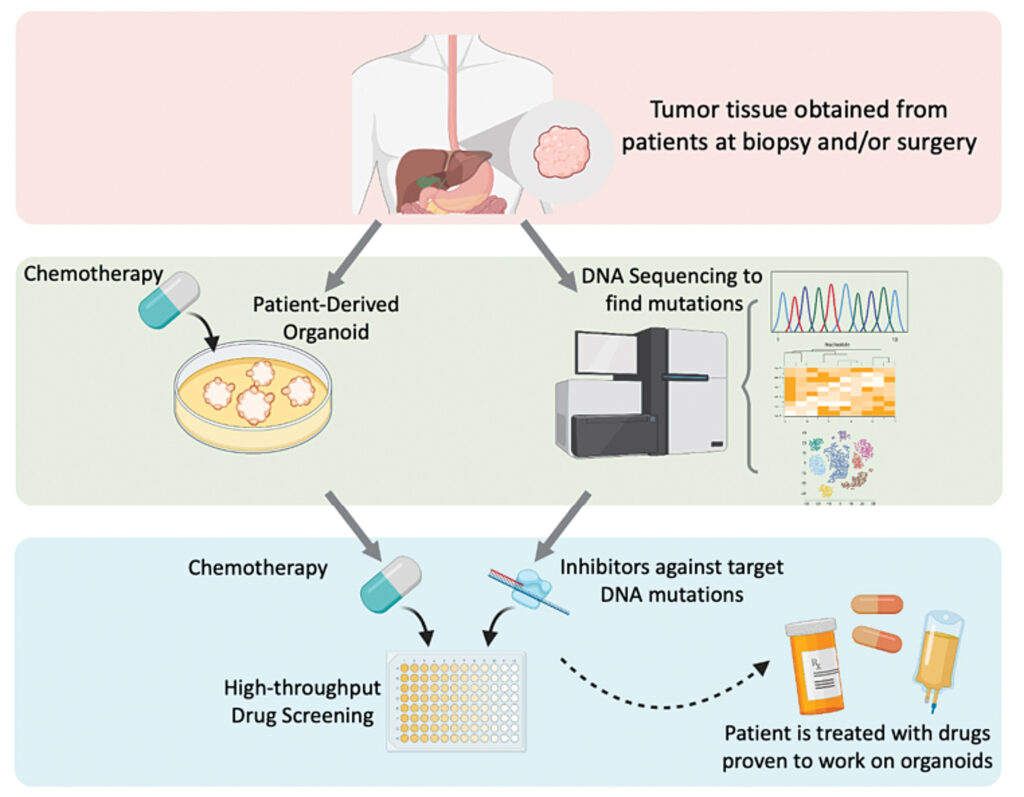
The current trial-and-error approach to chemotherapy drug selection unnecessarily exposes a significant proportion of patients to toxic drugs which don’t work for them. To replace this, Dr. Lorenzo Ferri and his team at the MGH grow a replica of your tumour in the lab and test hundreds of drugs on it to identify the most effective treatment for your specific tumour. His lab team have a five year plan to shorten and perfect the process, gain approval for use as the new standard of care for esophageal and gastric cancers, then to expand to multiple other types of cancer, while serving cancer
centres across Canada.
“You can help us usher in a new era of precision, personalized cancer treatments.”
Dr. Lorenzo Ferri
Director, Division of Thoracic Surgery
Dr. Josh Vorstenbosch
Precision equipment for a new surgical program for lymphedema care ($1M)
An all-too-common consequence of lymph node removal due to cancer, lymphedema can now be treated surgically, but only by highly trained plastic surgeons with the latest precision equipment.
“Cedars established the first Lymphedema Clinic in Quebec. Now we are adding surgical care. This can radically improve patient lives.”
Dr. Josh Vorstenbosch
Plastic Surgeon; Director, Surgical Lymphedema Program
Overcoming postal code discrimination for thoracic cancer patients $3.5M
While 42 hospitals from Gaspé to Gatineau refer patients with complex thoracic cancers to the MUHC, survival rates are lower for those living outside of Montréal. Why? They don’t have local access to the latest treatments and higher quality of care available in clinical trials run in Montréal.
Trials require weekly scans and checkups to monitor disease progression. For most, it’s too far to travel and too expensive. Local community hospitals aren’t staffed to offer clinical trials to their patients.

Dr. Jonathan Spicer

Armen, a Security Guard at the Montreal General Hospital was a stage 3 lung cancer patient who enrolled in a successful clinical trial led by Dr. Spicer. He is now in remission.
“We see a huge opportunity to enable our network of referring hospitals to participate in these innovative trials to overcome these postal code disparities, improving outcomes and advancing scientific discovery.”
Dr. Jonathan Spicer
Thoracic Surgeon, MUHC
Medical Director, McGill Thoracic Oncology Network
From diagnosis to recovery, optimizing surgical pathways in every Québec hospital ($1.5M)
“With your support, we are helping every Québec hospital centre implement the latest and best surgical protocols – first developed here – to improve outcomes for cancer patients across the province.”
Dr. Liane Feldman, Surgeon-in-Chief, MUHC
Chair of the Department of Surgery, McGill University
Dr. Liane Feldman

Enhanced recovery pathways completely optimize the patient journey including before (pre-habilitation to prepare for surgery), during hospitalization, and after surgery (rehabilitation for a full recovery). Developed first at the MGH-MUHC in a transformative interdisciplinary program called Enhanced Recovery After Surgery (ERAS), these pathways are now being implemented in more than 80 hospitals across the province for colorectal and gynecological cancer surgery, with other cancer surgeries to follow. Enhanced recovery pathways improve patient outcomes and patient satisfaction while reducing costs for the healthcare system.

WHOLE-PERSON-CARE, ADAPTED TO SPECIFIC PATIENT POPULATIONS
A new space and a new approach to revolutionize the experience of cancer care ($15M)
Cancer care historically responds reactively to the supportive and palliative care needs of people affected by cancer, intervening later than is optimal for providing the most effective assistance. Building on the legacy of Whole Person Care at McGill, we are re-engineering the system to proactively meet the needs of people affected by cancer and ensure they have access to best-in-class services that improve both their quality of life and their chances of benefiting from cancer therapies.
“We now have a unique opportunity to bring these services together in one, easily-accessible location, to offer seamless care and improve quality of life and patient outcomes.”
Dr. Justin Sanders
Director, Division of Supportive and Palliative Care, MUHC

Dr. Justin Sanders